Warning Signs of Oral Teeth Infections You Should Never Ignore
Your oral health is the gateway to your general well-being.…
Dental fillings are essential for safeguarding teeth that have suffered from cavities or minor damage. Although they are built to last, patients frequently pose similar questions: Are fillings permanent? Do they require replacement? How long can fillings be expected to endure?
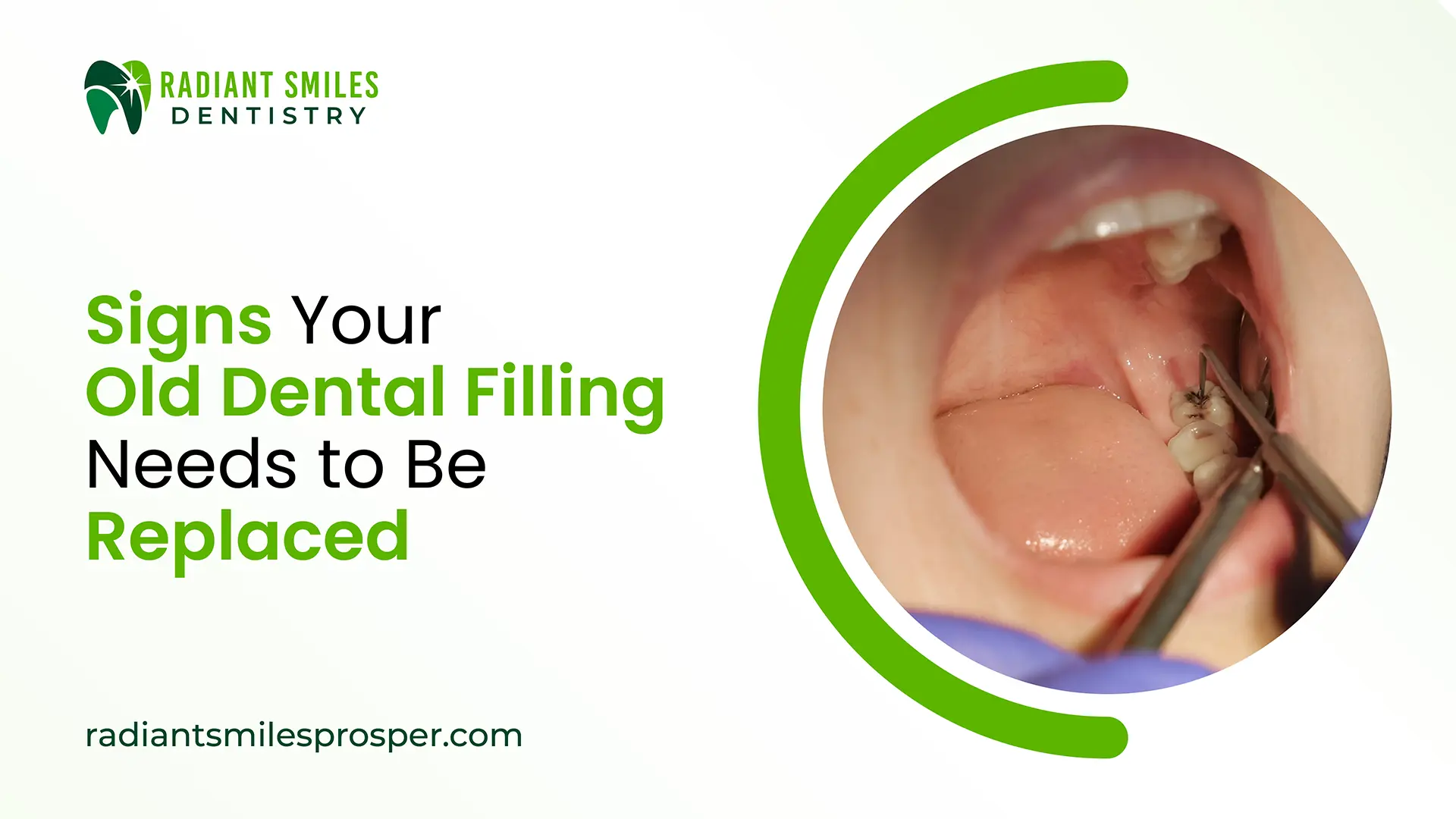
The reality is that dental fillings aren’t meant to last a lifetime. Being aware of the early signs of a failing filling is crucial in preventing pain, infection, and the need for more extensive dental procedures down the line. In this guide, we will discuss the reasons fillings deteriorate, the symptoms to be vigilant about, and what you can anticipate if you find yourself needing a filling replacement.
If you’re wondering, “How long should fillings last?” the answer usually depends on the material used and your oral hygiene habits. Generally, composite (tooth-colored) fillings last about 7 to 10 years, while silver amalgam fillings can last 10 to 15 years.
Do fillings need to be replaced even if they don’t hurt? Yes. Fillings act as a seal for your tooth. Eventually, that seal can weaken or “leak,” allowing bacteria to seep underneath.
Because they are subjected to constant thermal expansion (from hot and cold foods) and physical pressure, even the strongest tooth restoration will eventually reach the end of its lifespan.
It isn’t always obvious when you need a cavity filling replacement. Sometimes the damage is invisible to the naked eye, but there are several physical and visual cues to watch for:
Yes, this is known as “recurrent decay.” When a filling pulls away from the tooth, even by the tiniest fraction of a millimeter, it leaves a microscopic gap. Bacteria and food particles become lodged within this space, where your toothbrush cannot reach them.
The decay is obscured under the old material and may only be discovered when it has already reached the pulp of the tooth. This is why regular checkups are vital; your dentist uses X-rays and specialized tools to catch decay under a tooth filling replaced years ago, before it turns into a more serious issue.
Replacing a filling is a routine procedure very similar to getting the original one.
In cases where the original cavity was very large or the tooth has cracked, a simple filling might no longer be enough. Your dentist may recommend dental crowns and bridges to provide better structural support and protect the remaining natural tooth.
While no filling is forever, you can extend the life of your tooth restoration with these simple steps:
You shouldn’t wait for a toothache to schedule a dental treatment. During your biannual exam, your dentist performs a “marginal integrity” check on all your existing dental work. By identifying a problem filling early on, you can prevent more complicated procedures from being required, such as a root canal or a crown.
If you think you have a loose filling or it’s been more than a decade since your last dental filling replacement, it’s about time you seek professional dental help.
The knowledge of which fillings must be replaced helps in the prevention of unexpected pain or costly work. Your vigilance in checking for sensitivity or physical wear will go a long way in ensuring that your smile stays healthy and functional. If you’re worried about your old fillings, do not hesitate to contact your dentist today regarding arrangements for your restorative dentistry needs.
At Radiant Smiles, we combine advanced technology with compassionate care to deliver reliable dental filling replacement and complete tooth restoration solutions.
Schedule your visit today and let our experienced dental team help protect your smile, comfortably, safely, and stress-free.
Dentists replace old fillings because they eventually wear down, crack, or pull away from the tooth. This “marginal failure” allows bacteria to enter the tooth, causing deep decay that can’t be cleaned with normal brushing.
No. The process for replacing a filling is almost identical to getting a new one. Your dentist will use a local anesthetic to numb the area, so you should feel no pain during the procedure.
Generally, a loose filling requires a full replacement. Trying to “patch” a loose filling often leaves bacteria trapped underneath. A full cavity filling replacement ensures the tooth is clean and the new seal is airtight.
Yes, sudden sensitivity to hot, cold, or sugary foods is a primary sign that a filling has lost its seal or developed a crack, allowing external stimuli to reach the sensitive nerves inside the tooth.
Ignoring a damaged filling can lead to “recurrent decay,” which can quickly spread to the tooth’s pulp. This often results in a painful abscess, the need for a root canal, or even the loss of the tooth.
Your oral health is the gateway to your general well-being.…
Most people schedule dental checkups to deal with cavities, clean…
Have you ever looked in the mirror and noticed that…