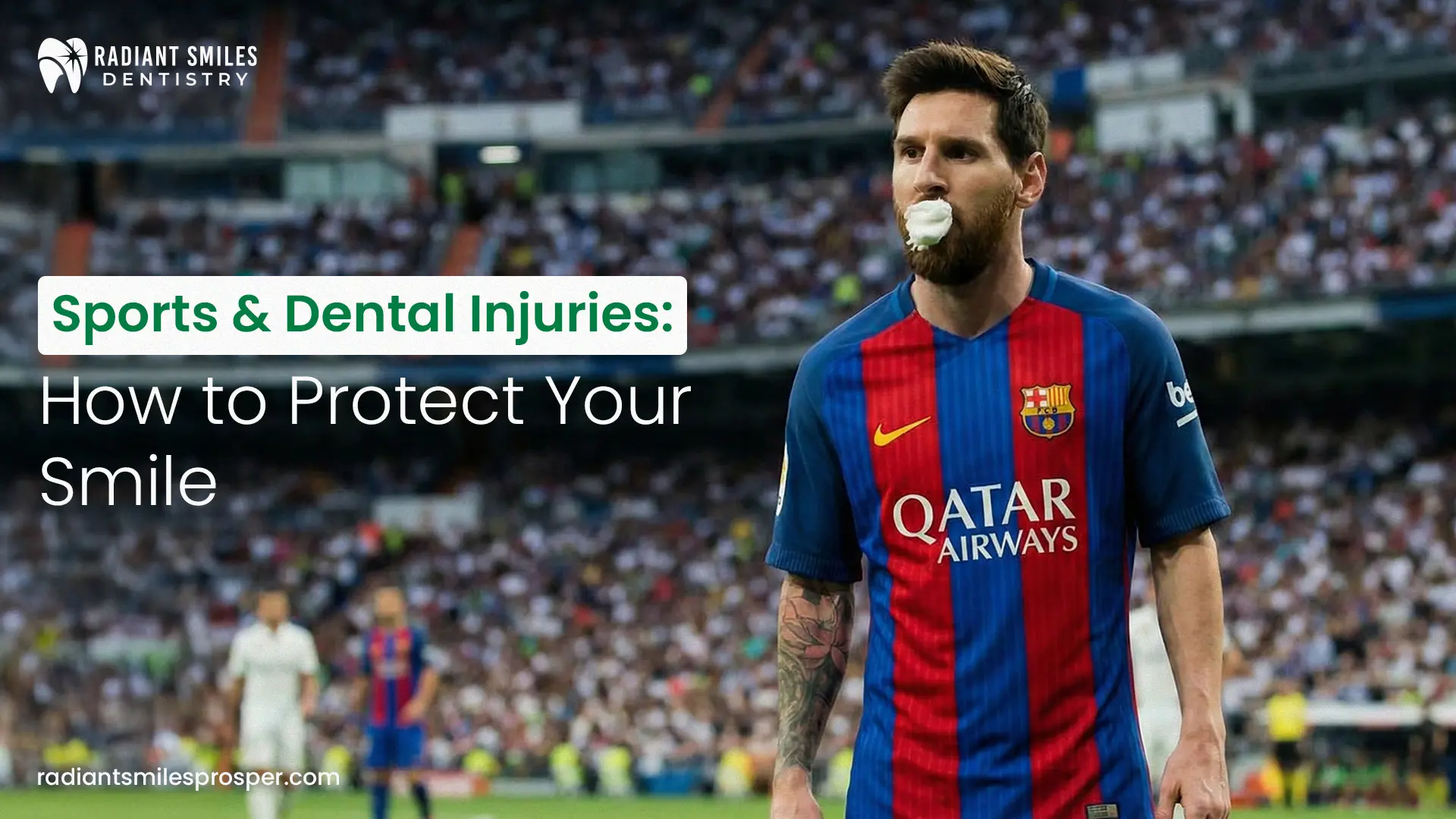
Sports & Dental Injuries: How to Protect Your Smile

Sports are a great way to stay active, build confidence, and relieve stress. From school playgrounds to adult recreational leagues, physical activity plays a big role in everyday life. But while most people remember helmets, pads, and proper footwear, dental safety often gets overlooked. Unfortunately, dental injuries are one of the most common sports-related accidents.

Knowing the right teeth protection tips for sports can help you or your child enjoy the game without risking long-term damage to your smile.

How Common Are Sports-Related Dental Injuries?

Sports-related dental injuries are more common than many people realize. According to dental associations, athletes are significantly more likely to suffer tooth injuries when playing contact or high-impact sports. Even non-contact activities can lead to chipped or knocked-out teeth due to falls, collisions, or equipment impact.

Children and teens are especially vulnerable because their coordination is still developing, but adults are not immune either. Weekend sports, gym workouts, and casual games can all pose risks if proper precautions are not taken.

Common Types of Sports-Related Dental Injuries

Dental injuries vary in severity, but even minor damage can lead to long-term issues if ignored. Common injuries include:

  • Chipped or cracked teeth from sudden impact
  • Knocked-out teeth caused by falls or collisions
  • Tooth displacement, where a tooth is pushed out of position
  • Jaw injuries affecting bite alignment
  • Soft tissue injuries to the lips, tongue, and gums

Some injuries are immediately painful, while others may seem minor at first but worsen over time. This is why prompt evaluation is always important.

Sports with the Highest Risk of Dental Injuries

Certain sports carry a higher risk due to speed, physical contact, or hard equipment. These include:

  • Football, hockey, rugby, and basketball
  • Boxing, martial arts, and wrestling
  • Skateboarding, cycling, and mountain biking
  • Soccer and baseball, especially for younger players

Even sports considered low-risk can cause damage during unexpected falls or collisions. Protecting your sports smile should be part of every athlete’s routine, regardless of skill level.

Why Dental Injuries Can Be Serious

Dental injuries are not just cosmetic problems. A damaged tooth can affect eating, speech, and confidence. Untreated injuries can lead to infections, nerve damage, or tooth loss. In some cases, restoring a damaged smile may require advanced treatments such as crowns or veneers.

Patients who invest in cosmetic treatments like bright smile veneers or perfect smile teeth veneers should be especially cautious during sports. Protecting existing dental work is just as important as safeguarding natural teeth.

Mouthguards: The Best Protection for Your Smile

A properly fitted teeth guard for sports is one of the most effective ways to prevent dental injuries. Mouthguards absorb impact, reduce pressure on teeth, and protect soft tissues inside the mouth.

There are different types available:

  • Stock mouthguards that come pre-shaped
  • Boil-and-bite options that offer a semi-custom fit
  • Custom-fitted guards made by a dentist

A professionally made mouth guard offers the best comfort, fit, and protection. It allows athletes to breathe and speak easily while staying protected. This is one of the most practical teeth protection tips for sports that both children and adults should follow consistently.

Additional Ways to Protect Your Teeth During Sports

While mouthguards are essential, they work best when combined with other smart habits. Consider these additional steps:

  • Wear helmets and face shields when recommended.
  • Avoid chewing on hard objects like ice or mouthguards.
  • Stay hydrated to prevent dry mouth and irritation.
  • Follow strong dental hygiene habits to keep teeth resilient.
  • Replace worn or damaged mouthguards regularly.

Healthy teeth are more resistant to injury. Daily brushing, flossing, and regular dental checkups make a noticeable difference in how well your teeth handle impact.

What to Do If a Dental Injury Happens

Despite precautions, accidents can still occur. Knowing what to do can save a tooth.

If a tooth is knocked out, handle it carefully by the crown, not the root. Rinse gently if dirty and try to place it back in the socket if possible. If not, store it in milk or saliva and seek dental care immediately.

For chipped or broken teeth, rinse your mouth with warm water and apply a cold compress to reduce swelling. Avoid chewing on the affected side until you see a dentist.

Quick action often determines whether a tooth can be saved.

Sports Dental Injuries in Children and Teens

Children and teens are especially active, which puts them at higher risk for dental injuries. Parents should make mouthguards mandatory for sports practices and games. Encouraging kids to value dental protection early helps build lifelong habits.

Since young smiles are still developing, injuries can impact permanent teeth and jaw growth. Preventive care is always easier than corrective treatment later.

When to See a Dentist After a Sports Injury

You should see a dentist immediately if there is pain, bleeding, loose teeth, or visible damage. Even if symptoms seem mild, a dental exam can detect hidden fractures or nerve damage.

At Radiant Smiles, emergency evaluations help patients address injuries quickly and avoid complications. Prompt care can make the difference between a simple fix and extensive treatment.

Conclusion

Sports should be fun, energising, and confidence-building. With the right approach, you can enjoy physical activity without compromising your oral health. Simple steps like wearing a mouthguard, maintaining good hygiene, and knowing how to respond to injuries go a long way.

Following proven teeth protection tips for sports helps protect not just your teeth, but your comfort and confidence too. Whether you are an athlete, a parent, or a weekend sports enthusiast, protecting your smile is always worth the effort.

If a dental emergency occurs, Radiant Smiles offers emergency dentistry services to help you get back to smiling safely and confidently. 

FAQs

There has been a slight inflationary increase of approximately 3-5% compared to 2025, consistent with general healthcare trends. However, advances in manufacturing have kept Invisalign prices relatively stable.

At reputable offices, your quote should include everything. However, some offices may charge extra for lost aligner replacements or the final retainers. Always ask for a written contract.

Generally, no. The cost is based on the complexity of tooth movement rather than the patient’s age. However, “Invisalign First” for younger children may be priced differently than comprehensive adult treatment.

Most providers offer a “buffer” for one or two lost trays, but frequent losses may result in additional Invisalign fees of $50–$100 per tray to cover lab costs.

Yes. “Invisalign Express” or “Invisalign Lite” options are specifically designed for minor crowding or spacing and are significantly more affordable than complete treatment plans.

| Recent Blog Post
Looking for a Dentist in Prosper, TX? Here’s Why Local Care Matters
29Jan

Looking for a Dentist in Prosper, TX? Here’s Why Local Care Matters

When it comes to oral health care, consistency and trust…

How Diabetes Affects Gum Health and Periodontal Disease
26Jan

How Diabetes Affects Gum Health and Periodontal Disease

If you're living with diabetes, you already know how closely…
Scroll to Top